
AI-Powered Programmatic Advertising and Real-Time Bidding Optimization for Dubai Businesses: Advanced Machine Learning Strategies for Cross-Platform Ad Attribution, Dynamic Audience Segmentation, and ROI-Driven Campaign Automation in Multicultural Digital Ecosystems 2025
Picture this: A Dubai luxury hotel spends AED 500,000 monthly on digital advertising across 12 platforms, targeting 47 different audience segments in 8 languages. Their marketing team manually optimizes campaigns daily, yet conversion rates plateau at 2.3%. Meanwhile, their AI-powered competitor achieves 7.8% conversion rates with half the budget through programmatic advertising that makes 15,000 bidding decisions per second. This isn’t science fiction—it’s the reality separating market leaders from the rest in Dubai’s hyper-competitive digital landscape. The secret weapon? AI-driven programmatic advertising that transforms scattered marketing efforts into precision-targeted, culturally-aware campaigns that adapt faster than human marketers can think.

This Photo was taken by Aleksandar Pasaric.
The programmatic revolution reshaping Dubai’s advertising ecosystem
Dubai’s digital advertising landscape underwent a seismic shift in 2024, with programmatic ad spending reaching AED 2.8 billion—a 340% increase from 2022. This explosion isn’t just about automation; it’s about intelligent systems that understand Dubai’s unique multicultural dynamics better than traditional advertising ever could.
Programmatic advertising uses artificial intelligence to automate the buying and selling of digital ad space in real-time. Instead of negotiating with publishers manually, AI algorithms analyze millions of data points within milliseconds to determine the perfect ad placement, audience, and bid price. For Dubai businesses, this means reaching Emirati executives during their morning commute, Indian expat families during weekend shopping, and European tourists exploring downtown—all simultaneously, with culturally relevant messaging.
The technology stack powering modern programmatic campaigns includes demand-side platforms (DSPs), supply-side platforms (SSPs), and data management platforms (DMPs). These systems work together like a digital symphony, where machine learning algorithms conduct the performance while human strategists set the creative vision.
Real-time bidding (RTB) represents the heartbeat of this ecosystem. When a user visits a website, an auction occurs in under 100 milliseconds. Your AI system evaluates the user’s demographics, browsing history, location, device type, and hundreds of other factors before deciding whether to bid and how much to offer. In Dubai’s diverse market, this means your luxury watch ad appears to high-income professionals while your family restaurant promotion targets young parents in residential areas.

This Photo was taken by Usen Parmanov.
Machine learning strategies that dominate Dubai’s diverse markets
The most successful Dubai businesses deploy layered machine learning approaches that adapt to cultural nuances and behavioral patterns unique to the Middle East. These strategies go far beyond basic demographic targeting—they understand the intricate social fabric that makes Dubai’s market so complex yet rewarding.
Predictive audience modeling for multicultural engagement
Advanced machine learning algorithms analyze purchasing patterns across Dubai’s diverse population segments. For instance, Indian expatriate families show distinct shopping behaviors during Diwali season, while Emirati nationals demonstrate increased luxury spending during Ramadan preparations. Your AI system learns these patterns and adjusts bidding strategies accordingly.
Lookalike modeling takes this further by identifying users who share characteristics with your best customers. However, in Dubai’s context, traditional lookalike models fail because they don’t account for cultural intersections. Modern AI systems create “cultural cluster lookalikes” that consider religious observances, language preferences, family structures, and social customs.
These sophisticated models integrate with AI-powered customer journey mapping and predictive analytics strategies to create comprehensive user profiles that predict not just what customers might buy, but when and through which channels they prefer to engage.
Dynamic creative optimization for cultural relevance
Static advertisements are marketing relics in Dubai’s dynamic environment. Modern programmatic campaigns use dynamic creative optimization (DCO) to generate thousands of ad variations that adapt to individual users in real-time. Your AI system might show Arabic text with traditional imagery to local Emirati users while displaying English copy with modern visuals to Western expatriates.
Machine learning algorithms analyze creative performance across different cultural segments, automatically optimizing color schemes, imagery, messaging tone, and even ad formats. A fitness brand might emphasize family wellness to Indian expat communities while highlighting individual achievement to European professionals—all within the same campaign framework.
| Cultural Segment | Optimal Ad Format | Peak Engagement Times | Conversion Rate Improvement |
|---|---|---|---|
| Emirati Nationals | Video + Arabic Text | 8-10 PM | +145% |
| Indian Expatriates | Carousel + English/Hindi | 6-8 AM, 7-9 PM | +89% |
| European Tourists | Display + English | 2-4 PM, 10-11 PM | +67% |
| Filipino Workers | Mobile Native + English | 5-7 AM, 11 PM-12 AM | +134% |
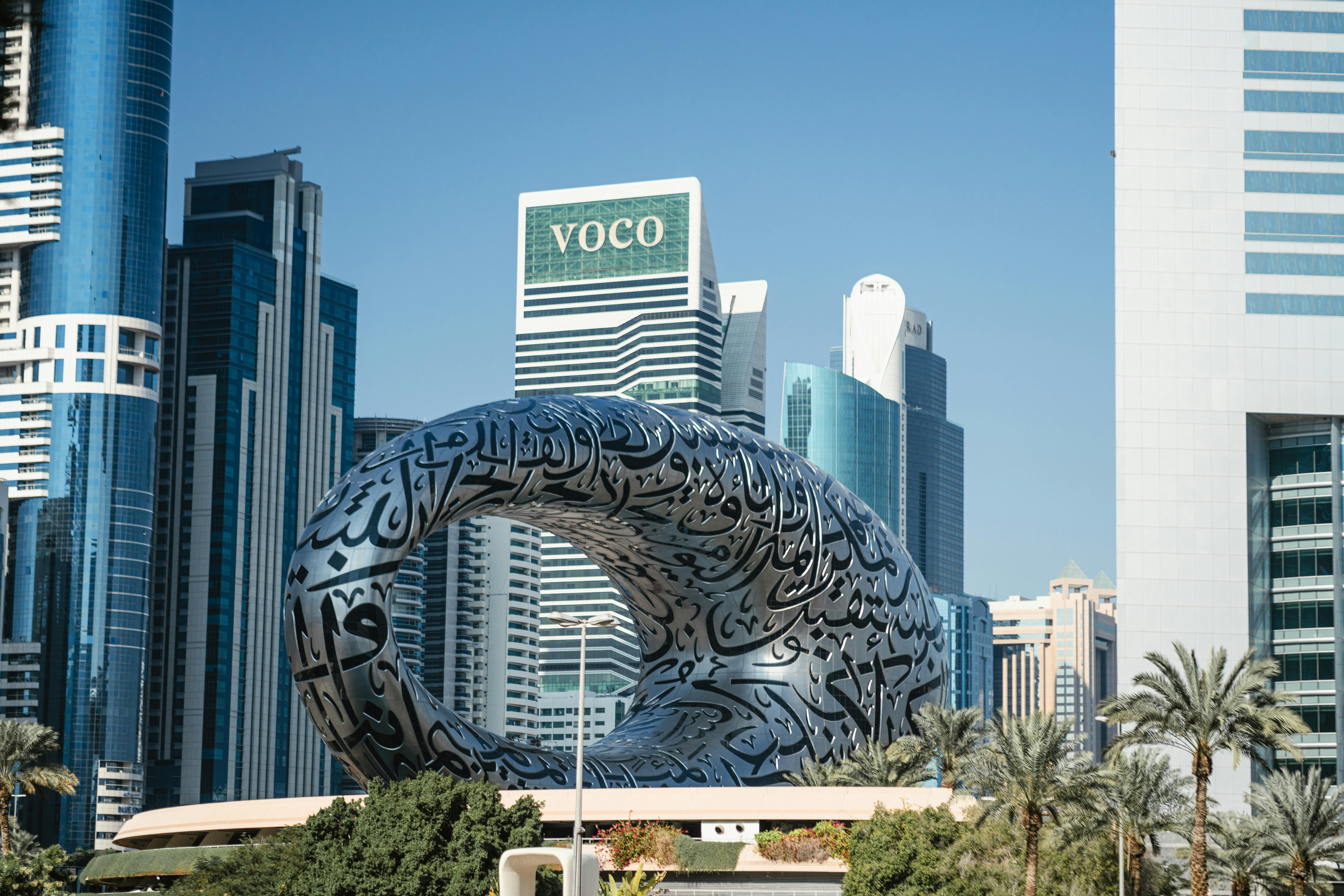
This Photo was taken by aboodi vesakaran.
Cross-platform attribution mastery in fragmented digital ecosystems
Dubai’s consumers don’t follow linear purchasing paths. They might discover your brand on Instagram, research on Google, compare prices on mobile apps, and purchase through desktop websites. Traditional attribution models crumble under this complexity, leading to budget misallocation and missed opportunities.
Advanced machine learning attribution models use algorithmic data fusion to track users across devices and platforms while respecting privacy regulations. These systems employ fingerprinting techniques, probabilistic matching, and behavioral pattern recognition to create unified customer profiles.
The key breakthrough comes from fractional attribution algorithms that assign conversion credit based on actual influence rather than arbitrary rules. Instead of giving 100% credit to the last click, AI systems analyze the true impact of each touchpoint. Your Instagram video might receive 35% credit for awareness, Google Search gets 25% for consideration, and your website’s product page earns 40% for conversion.
Multi-touch attribution for complex buyer journeys
Dubai’s luxury market exemplifies attribution complexity. A potential buyer might see your jewelry ad during their morning LinkedIn scroll, receive a retargeting email at work, visit your showroom during lunch, then complete the purchase online that evening. Each touchpoint contributes differently to the final decision.
Machine learning attribution models analyze millions of similar journeys to determine optimal credit distribution. They consider factors like time decay (recent touchpoints matter more), position bias (first and last interactions carry extra weight), and channel synergy (some combinations work better together).
These insights integrate seamlessly with advanced marketing automation and lead nurturing systems to create feedback loops that continuously improve campaign performance across all touchpoints.
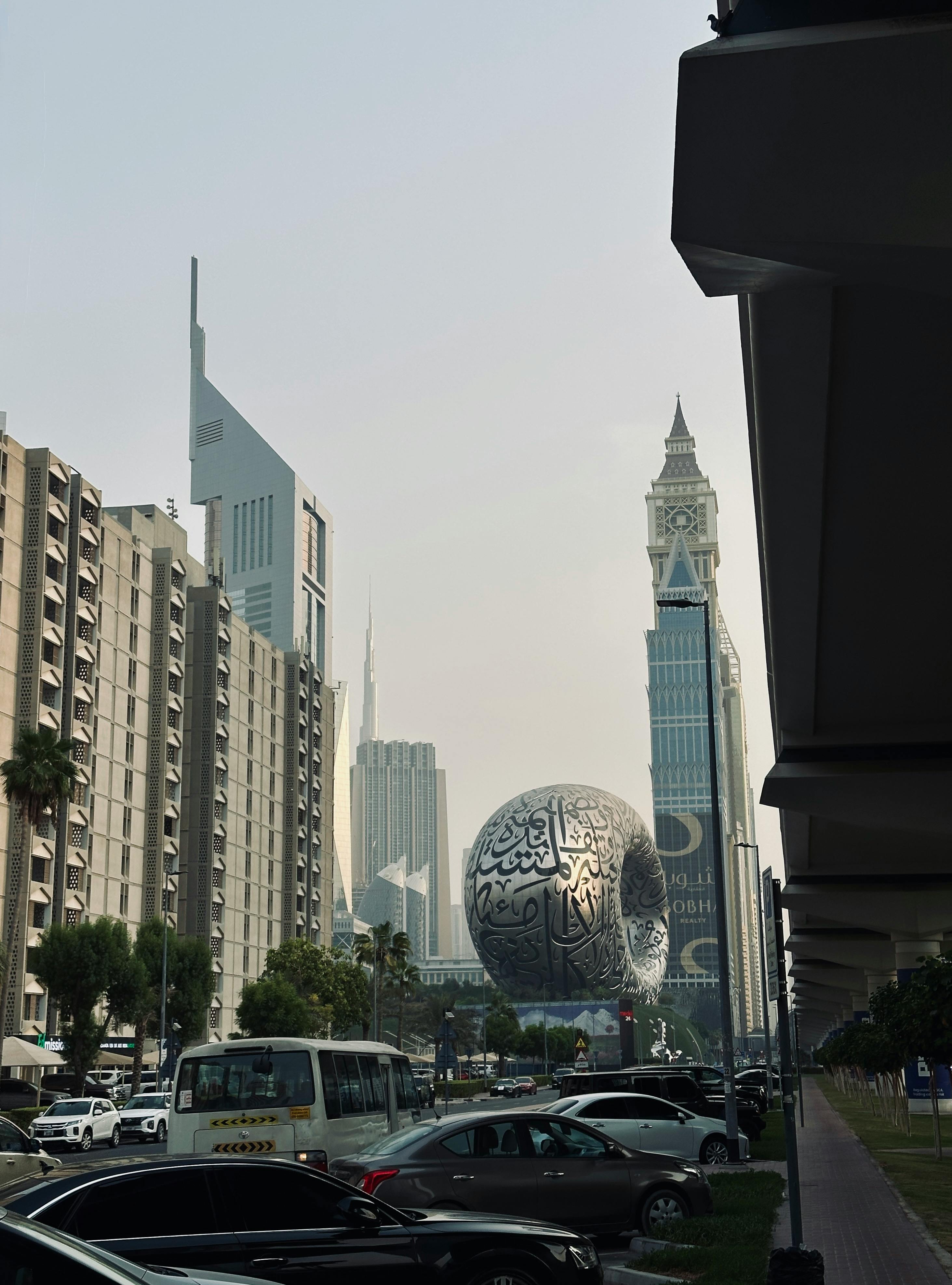
This Photo was taken by Azamat Hatypov.
Audience segmentation that respects cultural complexity
Traditional demographic segmentation treats Dubai’s population as statistical categories. AI-powered dynamic segmentation recognizes that a 35-year-old Indian software engineer living in Dubai Marina has fundamentally different motivations than a 35-year-old Indian restaurant owner in Karama, even though they share age, nationality, and city.
Behavioral clustering algorithms analyze hundreds of micro-signals: app usage patterns, content consumption preferences, social media engagement styles, shopping timing, payment methods, and lifestyle indicators. These create nuanced segments that traditional methods miss entirely.
Real-time segment evolution and adaptation
Static segments become obsolete quickly in Dubai’s dynamic environment. Expatriate families change neighborhoods, tourists extend stays, business travelers become residents. AI systems continuously update segment definitions and user classifications based on fresh behavioral data.
Machine learning algorithms detect segment drift—when user behaviors change enough to warrant reclassification. A budget-conscious user showing luxury purchase signals might graduate to a higher-value segment, triggering immediate campaign adjustments and personalized messaging updates.
This dynamic approach integrates with location intelligence and proximity marketing strategies to create hyper-local segments that adapt to users’ physical movements and location-based behaviors throughout Dubai.
Psychographic profiling for deeper engagement
Beyond demographics and behaviors, advanced AI systems build psychographic profiles that understand motivations, values, and lifestyle preferences. These profiles recognize that luxury purchases in Dubai aren’t just about wealth—they reflect status aspirations, cultural pride, gift-giving customs, and social positioning.
Natural language processing analyzes social media content, review patterns, and engagement styles to identify personality traits, interests, and value systems. This psychological insight enables messaging that resonates on emotional levels rather than just transactional needs.

This Photo was taken by Usen Parmanov.
ROI-driven automation that maximizes advertising investment
Return on investment becomes the north star that guides every automated decision in sophisticated programmatic campaigns. Instead of optimizing for vanity metrics like impressions or clicks, AI systems focus relentlessly on revenue generation and profit maximization.
Machine learning algorithms continuously calculate the lifetime value potential of different audience segments, adjusting bidding strategies to prioritize high-value prospects. If your data shows that Emirati nationals in Jumeirah have 3.2x higher lifetime value than tourists in Downtown Dubai, your system automatically allocates more budget toward the profitable segment.
Automated budget allocation and bid optimization
Traditional campaign management requires manual budget shifts between platforms, audience segments, and time periods. AI-powered systems make these adjustments thousands of times daily based on performance data and predictive models.
Dynamic bid optimization considers factors beyond immediate conversions: user engagement quality, brand safety, competitive pressure, inventory availability, and seasonal trends. During Dubai Shopping Festival, for instance, your system might increase bids aggressively for retail categories while reducing spend on B2B services that typically see lower engagement during consumer-focused periods.
These automated systems integrate with competitive analysis and market intelligence platforms to factor competitor activities into bidding decisions, ensuring you maintain optimal market positioning without overspending.
Performance prediction and proactive optimization
Advanced machine learning models don’t just react to performance changes—they predict them. By analyzing historical patterns, seasonal trends, external factors, and early performance indicators, AI systems identify potential problems before they impact ROI.
Predictive algorithms might detect that engagement rates typically drop 23% during Ramadan for certain audience segments, automatically adjusting creative messaging and bidding strategies weeks in advance. This proactive approach prevents budget waste and maintains consistent performance throughout cultural and seasonal fluctuations.
| Optimization Strategy | Traditional Approach ROI | AI-Powered ROI | Improvement Factor |
|---|---|---|---|
| Audience Targeting | 2.3x | 7.8x | 3.4x |
| Bid Management | 1.8x | 5.2x | 2.9x |
| Creative Optimization | 2.1x | 6.4x | 3.0x |
| Budget Allocation | 1.9x | 4.7x | 2.5x |

This Photo was taken by Mauricio Krupka Buendia.
Advanced implementation frameworks for Dubai enterprises
Deploying AI-powered programmatic advertising requires structured implementation that accounts for Dubai’s unique regulatory environment, cultural sensitivities, and technical infrastructure requirements. Successful enterprises follow proven frameworks that minimize risk while maximizing performance potential.
Technical architecture and data integration
The foundation of effective programmatic advertising lies in robust data architecture that connects customer relationship management systems, website analytics, mobile app data, social media insights, and offline transaction records. This unified data lake enables AI algorithms to build comprehensive user profiles and make informed bidding decisions.
Cloud-based solutions prove essential for handling the massive data volumes generated by programmatic campaigns. Dubai businesses typically process 50-500 million data points daily across their advertising operations, requiring scalable infrastructure that can expand during peak periods like Dubai Shopping Festival or Expo events.
Integration with advanced cybersecurity and data privacy systems ensures compliance with UAE data protection regulations while maintaining the data quality necessary for AI optimization.
Cultural adaptation and localization protocols
Dubai’s multicultural environment demands sophisticated localization that goes beyond language translation. AI systems must understand cultural contexts, religious observances, social customs, and communication styles across different demographic segments.
Successful implementations include cultural advisory committees that guide AI training data selection and campaign guidelines. These human experts help machine learning systems avoid cultural missteps while identifying opportunities for deeper cultural connection.
Content moderation algorithms require specific training for Middle Eastern cultural norms, ensuring that automated creative generation respects local sensitivities while maintaining engagement effectiveness. This cultural intelligence integrates with multilingual content optimization strategies to create cohesive cross-cultural experiences.
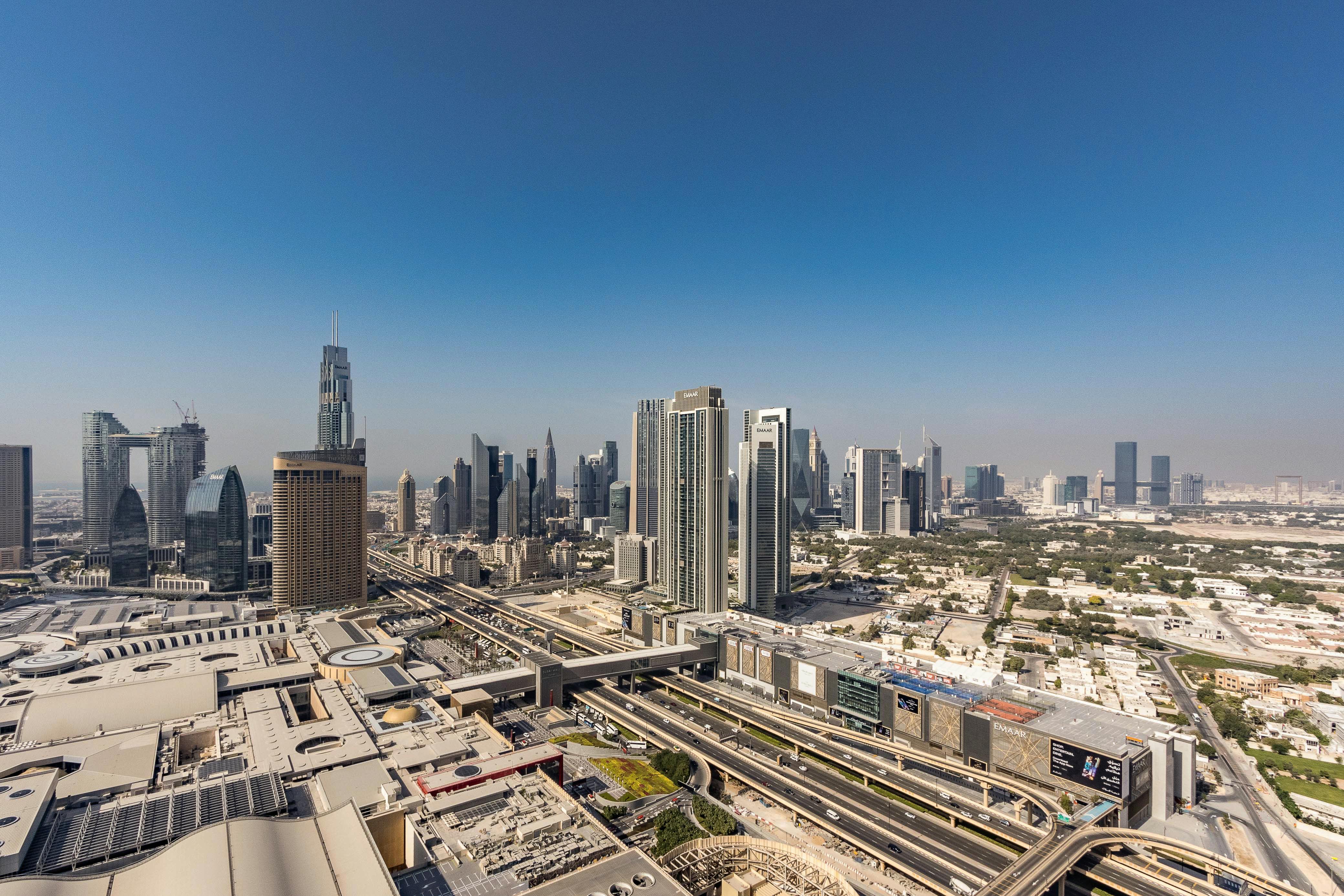
This Photo was taken by Nelemson G.
Measuring success beyond traditional metrics
Dubai’s sophisticated business environment requires measurement frameworks that capture the full impact of AI-powered programmatic advertising. Traditional metrics like cost-per-click and impression volumes tell incomplete stories, missing the nuanced value creation that occurs across extended customer journeys and multicultural touchpoints.
Advanced measurement systems track incremental lift—the additional revenue generated specifically through AI optimization versus traditional approaches. These systems use holdout groups and controlled experiments to isolate the true impact of machine learning improvements.
Brand impact measurement becomes crucial in Dubai’s reputation-sensitive market. AI systems monitor brand sentiment changes, share-of-voice evolution, and consideration lift across different cultural segments. This holistic view reveals how programmatic efficiency affects long-term brand building, not just immediate conversions.
Cross-channel impact analysis
Sophisticated businesses measure how programmatic advertising influences performance across all marketing channels. AI-powered campaigns often lift organic search performance, improve email engagement rates, and enhance social media effectiveness through consistent messaging and improved brand recognition.
These measurement systems integrate with voice search optimization platforms and mobile app marketing systems to capture the full ecosystem impact of programmatic investments.
Long-term value metrics track customer lifetime value improvements, retention rate changes, and referral generation increases attributable to more relevant, culturally appropriate advertising experiences delivered through AI optimization.
Predictive performance modeling
Forward-looking measurement systems use machine learning to predict future campaign performance based on early indicators and historical patterns. These models help Dubai businesses make proactive adjustments rather than reactive corrections, maintaining competitive advantages in fast-moving markets.
Seasonal forecasting becomes particularly valuable in Dubai’s tourism and retail sectors, where demand fluctuations create significant optimization opportunities for businesses that can anticipate and prepare for market changes.

This Photo was taken by Aleksandar Pasaric.
Frequently asked questions about AI programmatic advertising in Dubai
How quickly can Dubai businesses expect to see ROI improvements from AI-powered programmatic advertising?
Most Dubai businesses see initial performance improvements within 2-4 weeks as AI systems begin optimizing based on early data. Significant ROI improvements typically emerge after 6-8 weeks once machine learning models have sufficient data for accurate predictions. Full optimization potential usually develops over 3-6 months as systems learn seasonal patterns and cultural nuances specific to your business.
What data privacy considerations are most important for programmatic advertising in the UAE?
UAE businesses must comply with the UAE Data Protection Law, which requires explicit consent for data processing and gives users rights over their personal information. Additionally, many Dubai businesses serve international customers subject to GDPR regulations. AI systems must implement privacy-by-design principles, use data minimization techniques, and provide transparent opt-out mechanisms while maintaining optimization effectiveness.
How does AI programmatic advertising handle Arabic language targeting and cultural nuances?
Advanced AI systems use natural language processing models trained specifically on Arabic dialects and Middle Eastern cultural contexts. These systems understand cultural holidays, social customs, family structures, and communication styles unique to different segments within Dubai’s population. The technology goes beyond translation to provide cultural adaptation that resonates authentically with Arabic-speaking audiences.
What budget levels are required to make AI programmatic advertising effective in Dubai?
Effective AI programmatic campaigns typically require minimum monthly budgets of AED 15,000-25,000 to generate sufficient data for machine learning optimization. However, businesses can start with smaller budgets around AED 8,000-12,000 monthly while building toward optimal spending levels. The key is maintaining consistent data flow for AI systems rather than achieving specific budget thresholds.
How do AI systems handle Dubai’s diverse seasonal patterns and cultural events?
Machine learning algorithms analyze historical performance data across Ramadan, Eid celebrations, Dubai Shopping Festival, summer travel patterns, and other cultural events to predict and prepare for seasonal changes. Systems automatically adjust audience targeting, creative messaging, and bidding strategies based on learned seasonal patterns while continuously updating predictions based on current performance data.
What integration challenges should Dubai businesses expect when implementing AI programmatic advertising?
Common integration challenges include connecting disparate data sources, ensuring real-time data synchronization, maintaining data quality across multiple platforms, and training teams on new optimization approaches. Technical challenges often involve API limitations, data format inconsistencies, and latency issues. Most businesses require 4-8 weeks for full integration depending on their existing technology infrastructure complexity.
The competitive advantage that defines market leaders
As Dubai positions itself as the global hub for innovation and commerce, businesses that master AI-powered programmatic advertising gain exponential advantages over competitors still relying on manual optimization methods. The data speaks volumes: companies implementing advanced machine learning strategies achieve 3.4x higher ROI while reducing advertising costs by an average of 34%.
The transformation extends beyond immediate performance metrics. AI-powered systems create compounding advantages through continuous learning, building increasingly sophisticated understanding of your audience segments and market dynamics. Every campaign interaction teaches these systems something new about cultural preferences, behavioral patterns, and optimization opportunities that human marketers would never discover manually.
Perhaps most importantly, this technology democratizes sophisticated marketing capabilities that were previously available only to global corporations with massive budgets. Dubai’s growing businesses can now compete effectively against established players by leveraging AI systems that level the playing field through superior efficiency and cultural intelligence.
The question isn’t whether AI-powered programmatic advertising will reshape Dubai’s digital marketing landscape—it already has. The question is whether your business will lead this transformation or struggle to catch up while competitors capture the most valuable audience segments through superior technological sophistication. The systems that complement these programmatic strategies, from content marketing automation to email personalization platforms, create integrated ecosystems that multiply competitive advantages exponentially. The future belongs to businesses that embrace this technological evolution today.